


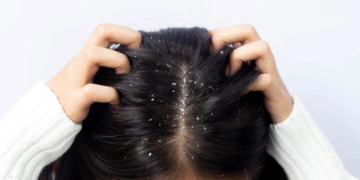





India’s tropical and humid climate can be particularly challenging for scalp health. From sticky monsoons and intense summer heat to pollution and sweat build-up, the scalp is often exposed to conditions that may encourage dandruff flare-ups. For many adults, dandruff becomes a recurring concern that seems to return despite regular washing.
While dandruff is common, understanding what triggers it can make managing symptoms much easier. A consistent scalp care routine, combined with the right products and healthy habits, can help reduce flakes, itchiness, and excess oil throughout the year.
Why Humidity Makes Dandruff Worse in India
- Warm and humid weather can make the scalp excessively oily and sweaty
- Excess moisture may encourage the overgrowth of Malassezia, a naturally occurring yeast associated with dandruff
- Oil build-up, combined with dirt, pollution, and hair product residue, can weaken the scalp barrier
- This imbalance may lead to visible flakes, itchiness, and scalp irritation
- Dandruff often becomes more noticeable during India’s monsoon season due to increased humidity levels
- Indoor air conditioning, stress, irregular hair washing, and harsh hair products may also contribute to scalp imbalance throughout the year
People searching for the best anti-dandruff shampoo in India often benefit from choosing formulas that cleanse thoroughly without over-drying the scalp. Products designed for regular use may help maintain scalp balance while reducing common dandruff symptoms.
The Head & Shoulders 7-in-1 Anti-Dandruff Shampoo is one example of a daily-use formula designed to target multiple scalp concerns associated with dandruff, including flakes, itchiness, oiliness, and dryness. It is infused with Piroctone Olamine, delivering a clean, fresh, nourished scalp with every wash. Used consistently, it can support a healthier scalp care routine across changing weather conditions.
Key Takeaways
- Humidity and sweat can worsen dandruff symptoms
- Excess oil and pollution may irritate the scalp
- Consistent scalp cleansing is important in tropical climates
- A gentle anti-dandruff shampoo may help maintain scalp balance
How to Remove Dandruff Completely: Why Consistency Matters
Many people wonder how to remove dandruff completely, especially when flakes continue to return after temporary improvement. The truth is that dandruff is usually a long-term scalp condition that needs ongoing management rather than a permanent cure.
Regular scalp care plays a major role in controlling symptoms. Washing too infrequently may allow oil, sweat, and dead skin cells to accumulate, while overwashing with harsh shampoos may strip the scalp and trigger irritation.
To support long-term dandruff control:
- Wash your scalp regularly based on your hair type and climate
- Avoid scratching the scalp excessively
- Rinse away sweat after workouts or humid outdoor exposure
- Limit heavy styling products that may clog the scalp
- Use a clinically proven anti-dandruff shampoo consistently
Those researching how to remove dandruff completely should also remember that lifestyle factors such as stress, lack of sleep, and poor diet may influence scalp health.
For people exploring the best anti-dandruff shampoo, formulas with multi-benefit protection can be especially useful for recurring dandruff concerns in India’s changing weather conditions.
Key Takeaways
- Dandruff management requires long-term consistency
- Overwashing and underwashing can both affect the scalp
- Lifestyle habits may influence dandruff recurrence
- Regular use of anti-dandruff shampoo may help reduce visible flakes
Seasonal Tips to Fight Dandruff All Year Round
Different seasons affect the scalp differently, which is why dandruff care often needs to adapt throughout the year.
Summer – Heat and sweat can increase scalp oiliness. Lightweight cleansing and frequent washing may help reduce build-up.
Monsoon – Humidity levels rise sharply during monsoon months, making the scalp more prone to fungal overgrowth and itchiness. Drying the hair properly after washing becomes especially important.
Winter – Many people experience dryness and flaking during winter due to lower moisture levels and hot showers. Choosing balanced scalp care products may help prevent excessive dryness.
Transitional Weather – Seasonal changes can temporarily disrupt scalp balance. During these periods, maintaining a steady routine is often more effective than frequently changing products.
If you are searching for how to remove dandruff completely, focusing on year-round scalp maintenance rather than short-term fixes may provide better long-term results.
The Head & Shoulders 7-in-1 Anti-dandruff shampoo can fit naturally into a consistent routine by helping cleanse away flakes while addressing common scalp concerns linked to India’s climate conditions.
For additional scalp care guidance, many people also explore remedies to remove dandruff completely alongside dermatologist-recommended haircare practices.
Key Takeaways
- Scalp needs may change across seasons
- Humidity and sweat often worsen dandruff during monsoons
- Winter dryness can also trigger flakes
- Consistent care is usually more effective than occasional treatment
Final Thoughts
Dandruff is one of the most common scalp concerns in India, especially in regions with prolonged humidity and heat. Although there is no guaranteed way to eliminate dandruff forever, a balanced and consistent routine can help manage symptoms effectively over time.
Understanding how to remove dandruff completely starts with recognising that scalp care is an ongoing process. Choosing suitable products, washing regularly, maintaining healthy habits, and adapting your routine across seasons can all contribute to a healthier-looking scalp.
FAQs
1. Why is dandruff more common during the monsoon season in India?
High humidity, sweat, and increased scalp oil production during monsoons can create conditions that may worsen dandruff symptoms.
2. Can dandruff be removed permanently?
Dandruff usually requires ongoing management. While symptoms can often be controlled effectively, they may return if scalp care routines are discontinued.
3. How often should I wash my hair if I have dandruff?
This depends on your scalp type and lifestyle, but regular cleansing is generally recommended to reduce oil and build-up.
4. What ingredients help fight dandruff?
Anti-dandruff shampoos often contain ingredients that help target flakes, oiliness, and scalp imbalance while supporting scalp cleanliness.
5. Which is the best anti-dandruff shampoo in India?
The best anti-dandruff shampoo in India depends on individual scalp needs, but formulas designed for regular use and multiple scalp concerns may help support long-term dandruff management.