










The first time you see the price of a Tanzania Safari, it can feel a little unreal. The images in your head are clear enough. Lions in golden grass, elephants crossing a river, the sky changing colour over endless plains. Then there is the quote in your inbox, and your brain quietly asks a very practical question. Why does it cost this much?
This blog is about that question. It explains where your money actually goes when you book Safari Tours Tanzania and why a good safari is more than a hotel and a vehicle.
When you understand the economics behind Tanzania Safari Packages, it becomes easier to see what you are really paying for and why cheaper is not always better value.
Park fees and conservation at the heart of your safari
One of the biggest parts of any Tanzania Safari Tour is something you do not see directly. Park and conservation fees. These are charged per person per day and sometimes per vehicle inside protected areas such as Serengeti National Park and Ngorongoro.
These fees support:
- Anti-poaching patrols and ranger salaries
- Habitat protection and controlled burning where needed
- Research and monitoring of wildlife populations
- Maintenance of roads, gates, bridges, and visitor facilities
- Support projects in communities that live near wildlife areas
Without these funds, there is no long-term future for the Tanzania Safari Destinations you travel through. A large portion of what you pay for Tanzania Safari Tours goes directly into keeping the places wild and functioning so that lions, wildebeest, rhinos, and birds can survive and continue to be seen.
Park fees are also part of the reason why the Best Time to Visit Tanzania changes your budget. High-demand months have more pressure on infrastructure, and some fees are higher in those periods.
Accommodation costs and comfort in remote places
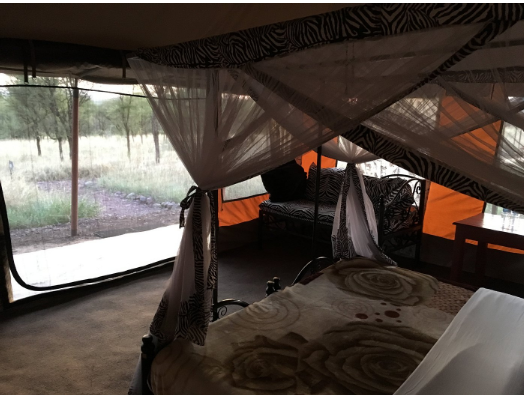
The next major piece of the safari price is accommodation. The place you choose to sleep determines your Tanzania Safari Experience as much as what you see on the game drive.
On most Tanzania Vacation Packages, you will find three broad levels of stay:
- Simple tented camps or guesthouses near towns
- Comfortable mid-range lodges and tented camps inside or close to parks
- Luxury safari camps with few rooms, prime locations, and high service levels
What your accommodation cost usually includes:
- Full board meals with fresh ingredients
- Staff wages and training
- Power generation, often from a mix of solar and generators
- Water supply, purification, and waste management
- Park concession or lease fees for the location
- Security and night staff in remote areas
Running a camp deep inside the Serengeti is nothing like running a city hotel. Fuel, food, building material, and staff transport all travel long distances. Every bed you sleep in is supported by a quiet supply chain that keeps you safe, comfortable, and well fed in the middle of the bush. This is why premium camps sit at the top end of the Best Safari Tours in Tanzania lists. You are paying for skilled logistics as much as you are paying for a view.
Vehicles and guides where a lot of value lives
When people compare Tanzania Tour Packages, it is easy to focus on the lodge photos. Yet your time in the bush is mainly spent in one place. The safari vehicle, with your guide in front.
The cost of this part covers:
- Purchase and constant maintenance of custom safari vehicles
- Fuel for transfers between parks and for every game drive
- Insurance and licenses
- Salaries and benefits for driver guides
- Park entry fees for the guide and the vehicle
A safari vehicle works hard. It moves slowly over rough tracks for hours and carries people, gear, food, and occasionally the weight of rain and mud. It has a raised roof for better viewing and often has a fridge, power outlets, and a radio for contact with base or other guides.
Your guide is not just a driver. On a well-run Safari In Tanzania, your guide is the person who reads tracks, spots a distant cheetah, explains the behaviour of elephants, and quietly handles safety. Experience, language skills, park knowledge, and wildlife understanding take years to build.
This is where a lot of the unseen value of Best Tanzania Safari operations sits. Good guides do not come cheap, and they should not.
Flights and transfers that frame the whole journey
For many travellers, the first big cost item appears even before the safari. The international flight to Tanzania. This part of the budget changes with departure country, season, and how early you book. It is separate from what a safari operator charges, but it is always part of the full picture.
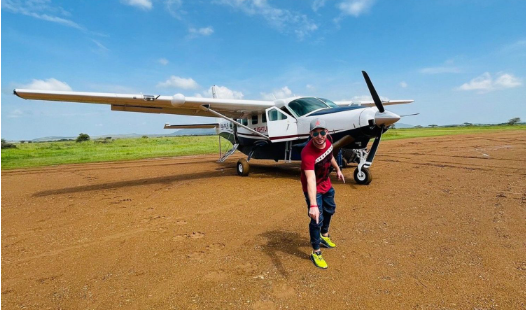
Within the country, Tanzania Safaris Tours sometimes include small aircraft flights between parks. These bush flights affect your price, but they also reduce long road transfers and give you more time in the wild.
They cover:
- Aircraft operation and maintenance
- Landing fees at remote airstrips
- Pilot and crew wages
- Safety and navigation systems
Not every itinerary needs domestic flights. Some Tanzania Safari Packages work very well with road transfers only. Others, especially for short journeys with many parks, make more sense with a combination of drives and flights.
Planning, operations, and support behind every itinerary
Every smooth day on a Tanzania Safari is backed by a lot of quiet work. This side of the cost is easier to overlook because you do not see it on a schedule.
Tour planning and operations usually include:
- Building the route to match seasons and the Best Time to visit Tanzania
- Checking availability at each lodge or camp and securing rooms
- Coordinating transfers so pick up times line up across locations
- Monitoring any changes in park rules, road conditions, or weather
- Preparing guest information, such as a practical Tanzania Safari Packing List
- Providing a contact person for questions before and during the trip
This is the part that protects you from overbooking, wasted time, or last-minute confusion. It is also where experience with Tanzania Safari Destinations really matters. Experienced planners know when a game drive will be too rushed, or when a park deserves an extra night.
Other important parts of the safari budget
Beyond the bigger blocks, there are smaller but necessary expenses that complete the cost structure of Safari Tours Tanzania.
These often include:
- Visa fees for entering Tanzania
- Travel insurance for medical and cancellation cover
- Tips for guides, camp staff, and porters
- Optional activities such as balloon rides or cultural visits
- Drinks and laundry where not included in the rate
- Souvenirs and personal items
Good Tanzania Tour Packages will outline clearly what is included and what is not, so that you are not surprised on arrival.
Seeing the bigger picture of Tanzania safari costs
When you break a safari cost into pieces, it stops looking like a single high number and starts looking like many real elements working together. Wildlife protection. Staff livelihoods. Vehicle reliability. Remote logistics. Careful planning.
A well-designed itinerary for Tanzania Safaris is not just about ticking animals off a list. It is a coordinated effort that allows you to step into the wild safely and return with something more profound than photographs.
Understanding where your money goes does not make a Tanzania Safari Tour cheaper, but it does make it clearer. And clarity is often the thing that turns a price from a shock into an informed decision about the kind of Tanzania Safari Experience you want to have. Looking to plan a great holiday in Tanzania at the best possible price. Contact Bestday Safaris.